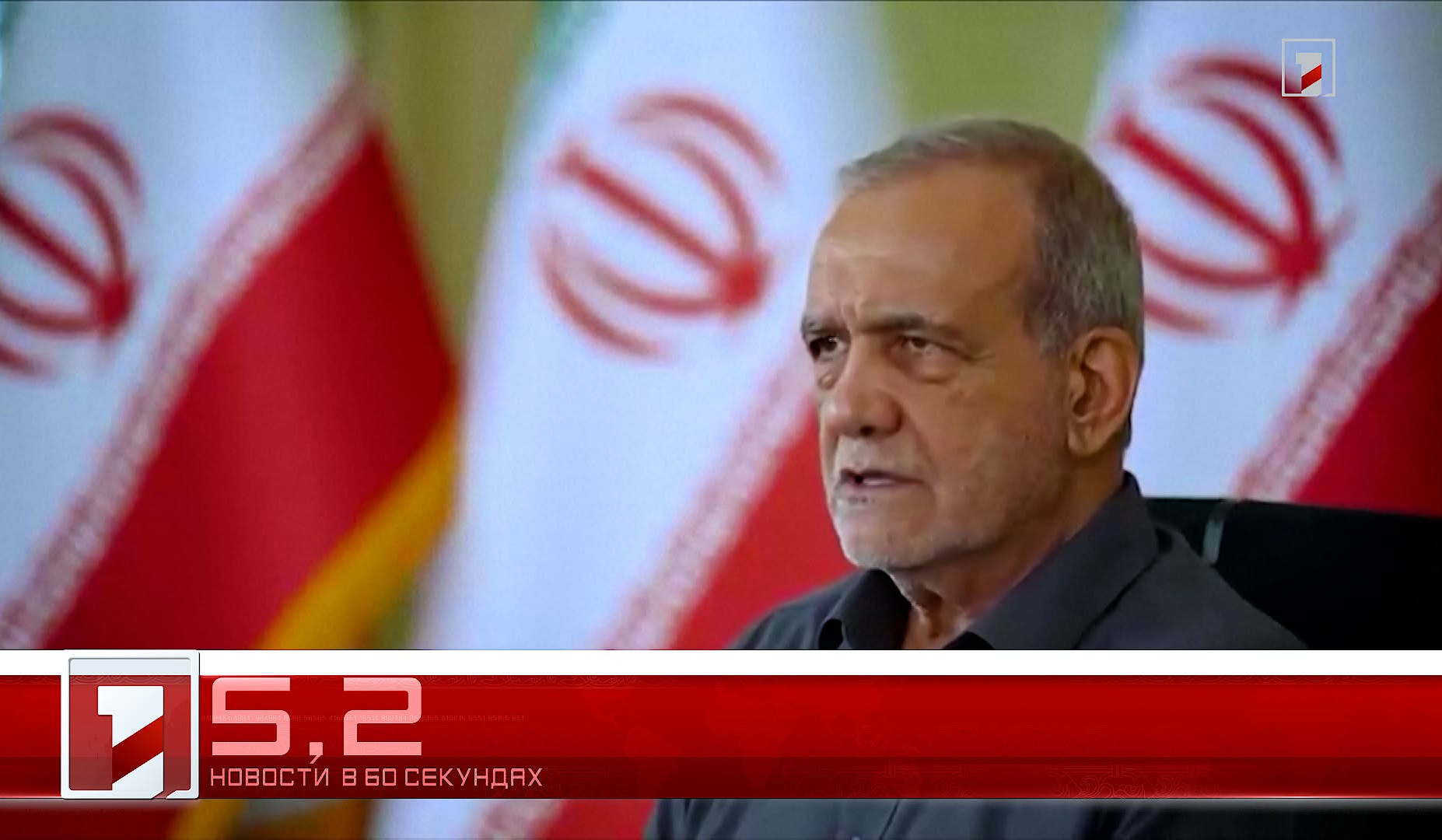
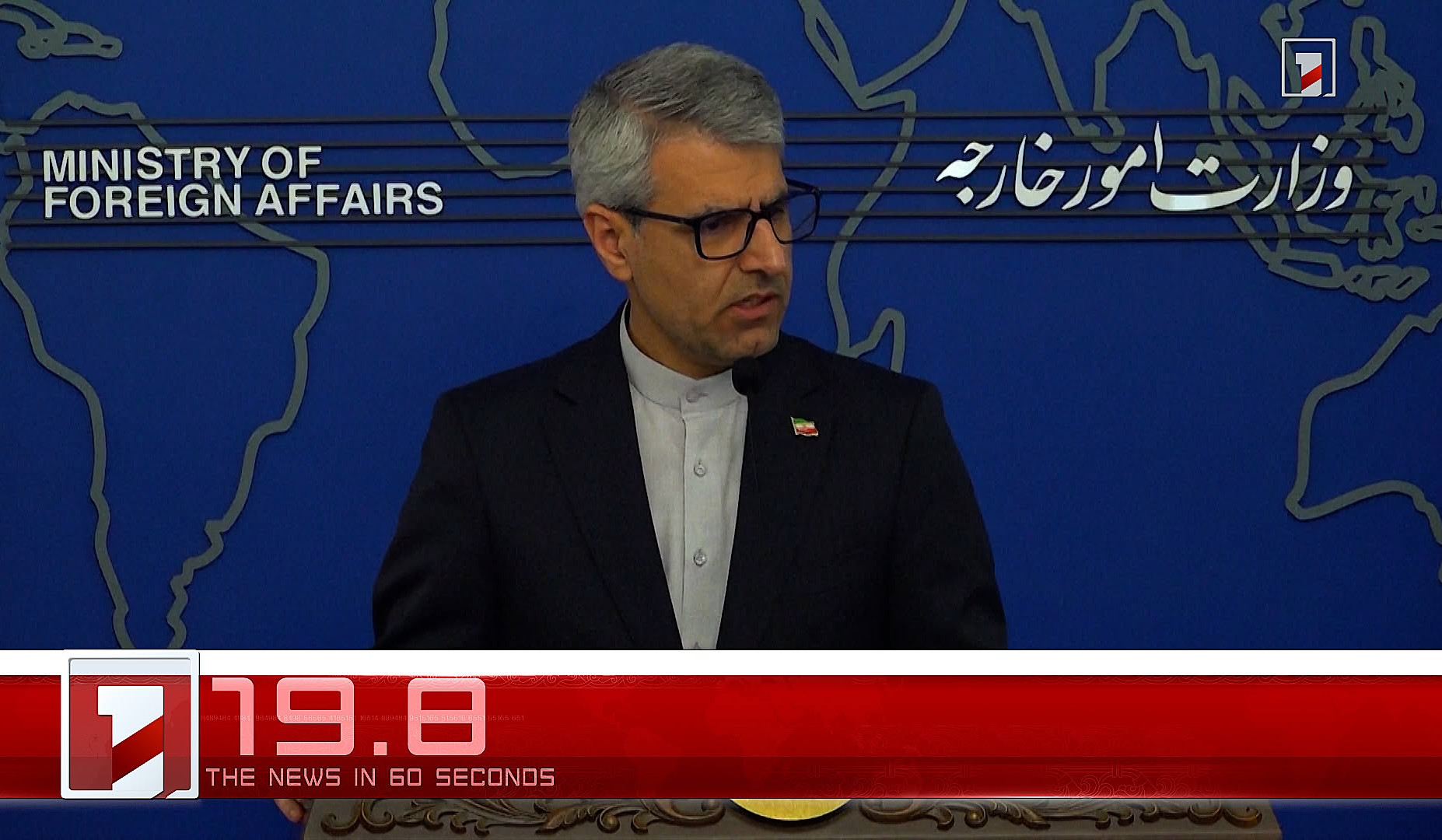
Reuters. In an interview broadcast on state television on Wednesday (March 25), Iran's Foreign Minister, Abbas Araqchi, said that the U.S. proposal to end the war was being reviewed by top authorities in Tehran, but the exchange of messages through mediators "is not called negotiation or dialogue."
The comments by Araqchi suggested some willingness by Tehran to negotiate an end to the war if its demands were met.
Still, the exchange of messages through mediators does not mean negotiations with the U.S., he said on state television.
The Foreign Minister of Iran has expressed gratitude to neighboring countries—Armenia, Azerbaijan, Turkey, Turkmenistan, Afghanistan, and Saudi Arabia—for their assistance in evacuating citizens and providing humanitarian support.
U.S. President Donald Trump's 15-point proposal, sent through Pakistan, calls for removing Iran's stocks of highly enriched uranium, halting enrichment, curbing its ballistic missile program and cutting off funding for regional allies, according to three Israeli cabinet sources familiar with the plan.
The White House declined to disclose specifics of its proposal and threatened to escalate its strikes.
Since the start of what the U.S. calls "Operation Epic Fury," Iran has attacked countries that host U.S. bases and effectively closed the Strait of Hormuz, conduit for a fifth of the world's oil and liquefied natural gas.
The war has raged with no let-up in air attacks against Iran, or in Iranian drone and missile strikes against Israel and U.S. allies.