


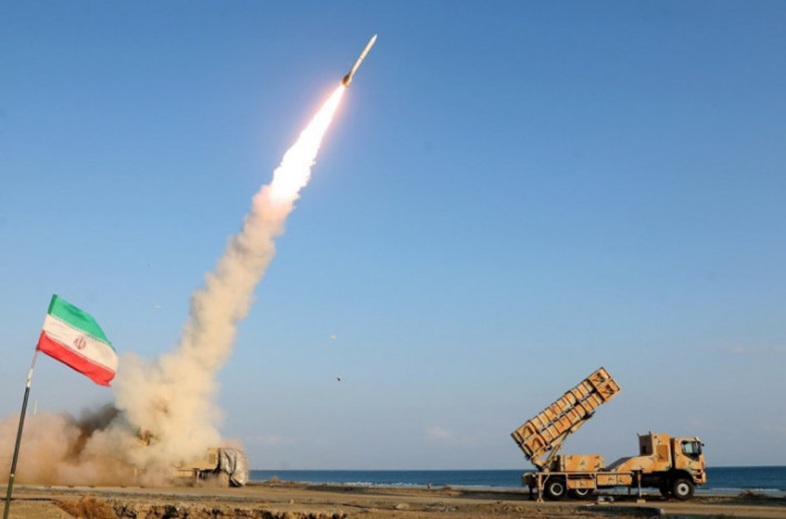
Warning sirens sounded across Israel on Friday and a military official told CBS News that dozens of Iranian ballistic missiles were en route to Israel. The country's population has been instructed to remain in bomb shelters until further notice.
Israel has a robust missile defense system known as Iron Dome which appeared to have intercepted numerous missiles, but video also showed a possible impact and smoke rising from an area of Tel Aviv. The extent of any damage is not yet clear.
The apparent retaliatory action from Iran came after Israel has launched over 200 airstrikes on Iran — continuing a major operation that began overnight, Israel Defense Forces spokesman Brigadier General Effie Defrin said Friday. Israel's airstrikes are continuing, Defrin said.
Israel first launched airstrikes on Iran early Friday and announced its operation was targeting Iranian nuclear facilities, scientists and senior military commanders. Tehran responded by launching more than 100 drones at Israel on Friday morning, Israel's military said. Defrin said earlier Friday that Israel's air defenses had worked to "intercept the threats." Later Friday, an Israeli military official told reporters that while the threat wasn't over, Israel had managed to intercept many of Iran's UAVs.
"Throughout the day, we once again demonstrated our ability to remove threats in a coordinated, precise and daring manner," Defrin said Friday night.
In a televised statement on Friday, Supreme Leader Ayatollah Ali Khamenei said the Iranian Armed Forces would respond fiercely to the strikes and leave Israel "helpless."
Shortly after the statement, the IDF confirmed that its fighter jets had "completed a strike on the Iranian regime's nuclear site in the Isfahan area." Ishafan is in central Iran. The strike "dismantled a facility for producing metallic uranium, infrastructure for reconverting enriched uranium, laboratories, and additional infrastructure," the IDF said.
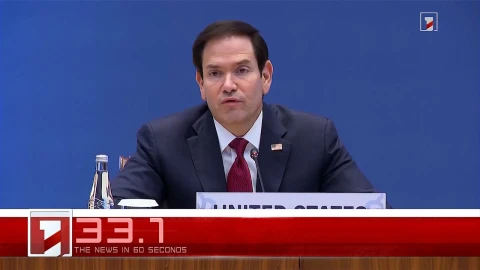
The U.S. was not involved in Israel's strikes, Secretary of State Marco Rubio said, adding a warning that "Iran should not target U.S. interests or personnel."
President Trump said in a post Friday morning on his Truth Social media platform that he had given Iran "chance after chance" to make a deal with the U.S. on its nuclear program, but that despite his warnings to Tehran that the alternative would be "much worse" than anything seen before, "they just couldn't get it done."
"There has already been great death and destruction, but there is still time to make this slaughter, with the next already planned attacks being even more brutal, come to an end," Mr. Trump said. "Iran must make a deal, before there is nothing left."
In a later post on Friday, Mr. Trump said he "gave Iran a 60 day ultimatum to 'make a deal.' They should have done it! Today is day 61. I told them what to do, but they just couldn't get there. Now they have, perhaps, a second chance!"
Israel has intercepted virtually every Iranian weapon launched in previous large-scale attacks by the Islamic republic. The retaliatory action by Iran was long anticipated and well planned for, Defrin said.
Iran's President Mahsoud Pezeshkian said Friday on Iranian TV that the country would "strongly take action" against Israel in response to the attacks, promising "a severe, wise and strong answer."
"The Iranian nation and the country's officials will not remain silent in the face of this crime, and the legitimate and powerful response of the Islamic Republic of Iran will make the enemy regret its foolish act," he said.