Authorities in Hong Kong have arrested 13 people on suspicion of manslaughter in relation to last week’s devastating fire, as they face growing criticism from residents over the arrests under national security laws of at least two civilians calling for accountability,
The Guardian reports.
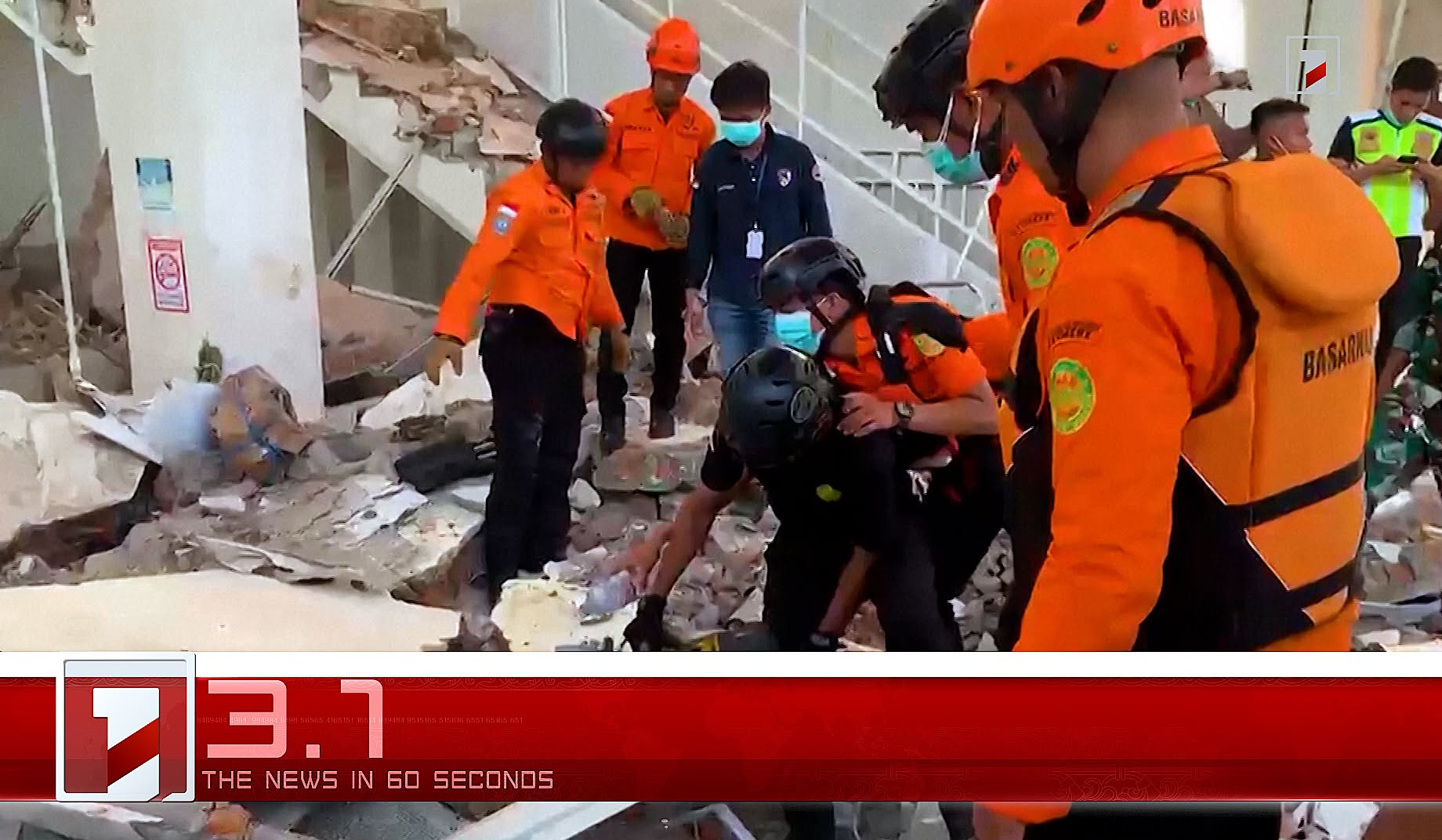
Emergency services continued to search through the seven towers of the Wang Fuk Court estate in Tai Po on Monday, days after the city’s deadliest fire in 75 years. The death toll rose to 151 and is expected to rise further as the search continues. About 40 people are still missing.
The estate, home to almost 5,000 people, had been undergoing extensive renovations that have been linked to the fire’s cause. In the aftermath, anger has grown over alleged past safety violations by the construction company working at the site and lax enforcement of standards, fuelled by revelations that residents had been complaining about the renovations for a year.
On Monday afternoon, officials said anti-corruption authorities had arrested 13 people over the disaster so far, including the directors and an engineering consultant of a construction company, and had “immediately begun comprehensive investigation along the lines of manslaughter”.
Hong Kong’s chief secretary, Eric Chan, said seven of 20 tested samples of the mesh netting used in scaffolding around the towers did not meet fire-retardant standards. Initial testing found samples were up to code, but Chan said the cheaper, noncompliant netting had been put in areas difficult to access in order to evade detection, describing it as a “shameful act”.
“They just wanted to make money at the expense of people’s lives,” he said.
As allegations of safety violations grow, alongside revelations that government authorities had issued multiple apparently unenforced warnings, residents have asked why no officials have yet faced consequences. Instead, two civilians were reportedly arrested by national security police.
Miles Kwan, a Hong Kong student, was arrested on Saturday over an online petition that made “four demands” for guaranteed support of the victims and accountability for those at fault, including any corrupt or culpable government officials.