In today’s fragile world, we all bear responsibility for maintaining peace, declared Ruben Rubinyan, Vice President of Armenia’s National Assembly, as he opened the 108th NATO Parliamentary Assembly Rose-Roth Seminar in Yerevan on September 22.
Rubinyan stressed that wars and conflicts “remain like a sword of Damocles over nations,” bringing suffering and casualties, and called for collective efforts to turn the current moment into an opportunity for peace and stability in the South Caucasus.
Speaking to parliamentarians, diplomats, and experts gathered for the seminar, Rubinyan reviewed recent regional developments, including the progress made in Armenia-Azerbaijan normalization efforts. He noted that on August 30, 2024, Armenia and Azerbaijan signed the first official document regulating the work of the joint border delimitation commissions — a process that has already demarcated the first 12 kilometers of the border.
Rubinyan emphasized Armenia’s “Crossroads of Peace” initiative, launched in 2023 to enhance regional interconnectedness on the principles of sovereignty, jurisdiction, equality, and reciprocity. The project foresees substantial increases in freight transport, pipelines, power lines, and internet cables across Armenia, turning the South Caucasus into a key transit hub linking East and West, North and South.
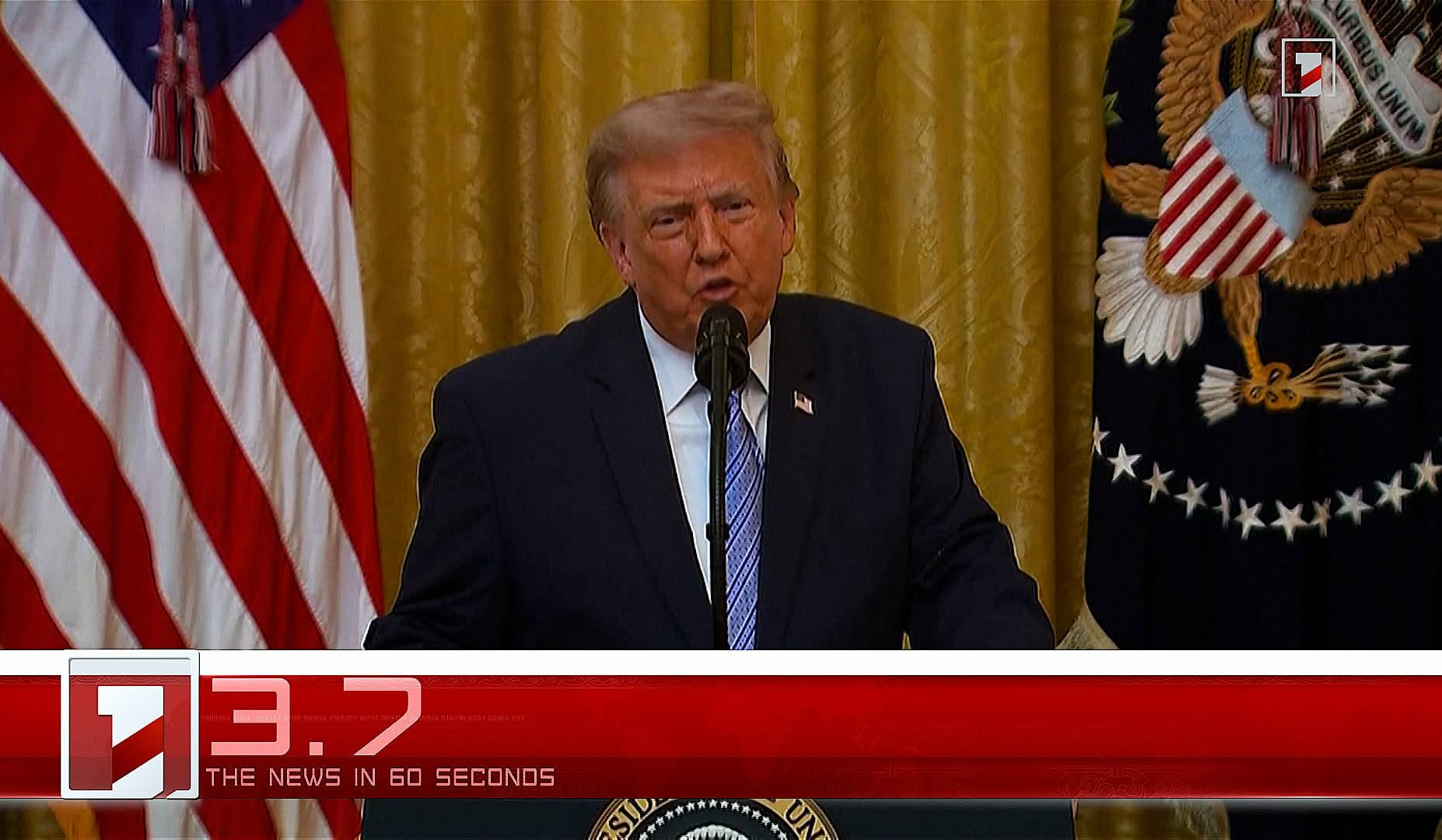
He hailed the August 8, 2025 Washington Summit as a historic milestone, where Armenia’s Prime Minister Nikol Pashinyan and Azerbaijan’s President Ilham Aliyev, with U.S. President Donald Trump’s support, signed a joint declaration on peace. On the same day, the foreign ministers of both countries initialed the Treaty on Peace and Establishment of Interstate Relations — a step Rubinyan described as “historic” and one that he hopes will soon be signed and ratified.
Special attention was also given to the “Trump International Peace and Prosperity Path” (TRIPP), a joint U.S.-Armenia project to be implemented on Armenian territory. Rubinyan described TRIPP as more than an infrastructure initiative, calling it a bridge of trust and cooperation that could deliver tangible benefits to the entire region.
Turning to regional diplomacy, Rubinyan reiterated that normalization of relations with Turkey remains a priority for Armenia.
“We are ready to establish diplomatic relations and open borders with Turkey today,” he said, expressing hope that Ankara would respond positively and seize the opportunity to build good-neighborly relations.
Rubinyan also highlighted Armenia’s broader foreign policy shift toward diversification, citing the March 2025 National Assembly law launching Armenia’s EU accession process, which originated as a civil initiative.
Concluding his remarks, Rubinyan expressed confidence that the seminar will result in constructive discussions and practical proposals, and welcomed participants to Yerevan — “a city that reflects the history, culture, and hospitality of the Armenian people.”