Iran has signalled that it has no plans to send negotiators to Islamabad for a new round of talks with the United States, threatening Pakistan’s plans for multiday negotiations between the warring nations less than 48 hours before a fragile ceasefire is set to expire,
Al Jazeera reports.
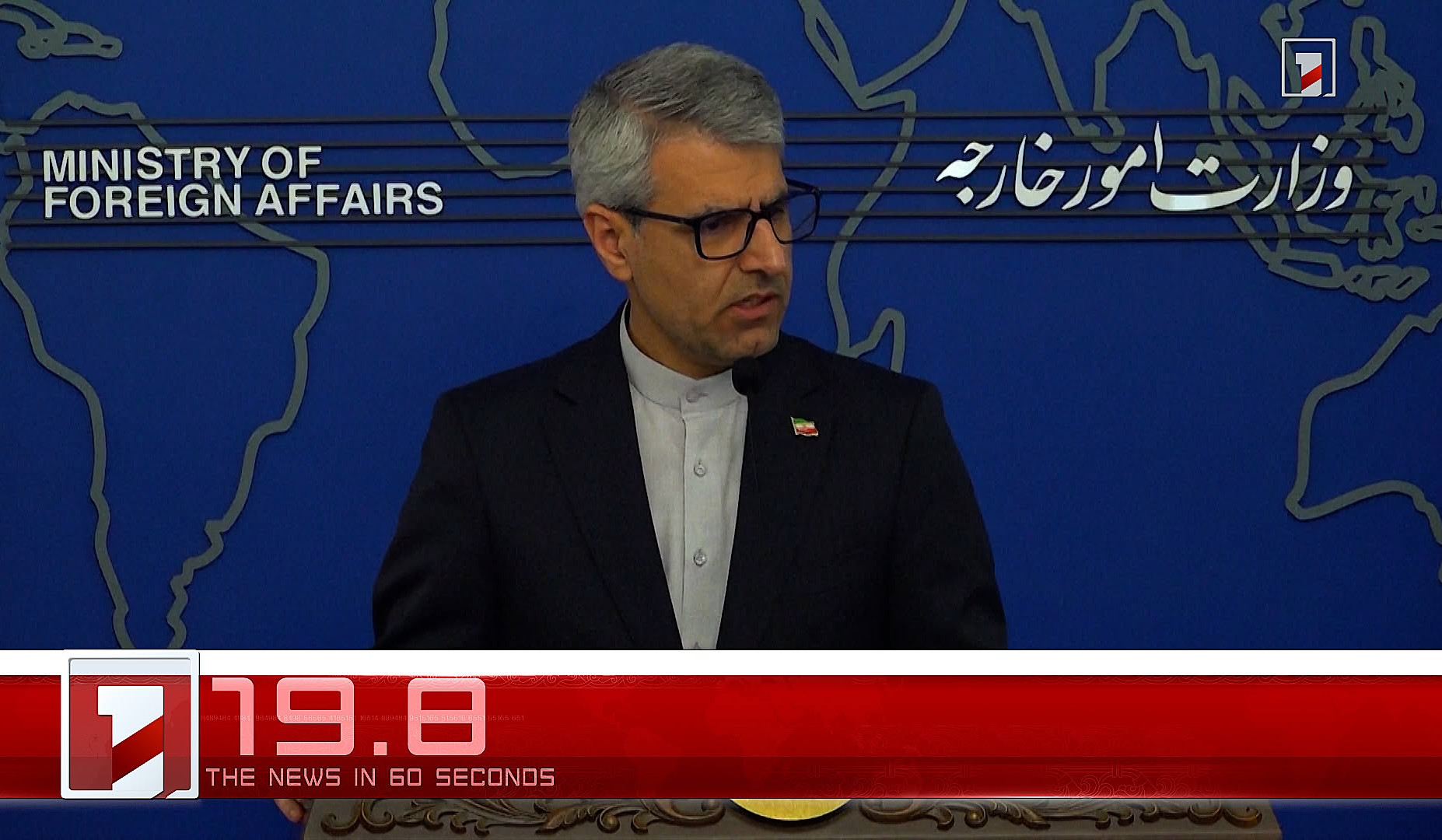
Iranian Ministry of Foreign Affairs spokesman Esmaeil Baghaei said on Monday Washington had “violated the ceasefire from the beginning of its implementation”, citing the US naval blockade of the Strait of Hormuz since April 13, and the overnight capture of an Iranian container ship by the US military as breaches of the truce as well as international law.
He warned that if the US and Israel launched aggression again, Iranian forces “will respond accordingly”, while reaffirming that Tehran’s 10-point proposal, submitted before the first round of Islamabad talks, remained its basis for any negotiation.
“The US is not learning its lessons from experience,” Baghaei said, “and this will never lead to good results.”
He said Iran had informed Pakistan, the principal mediator between the two sides, of these violations.
Pakistani officials said they remain cautiously hopeful that they can bring the two sides back to the negotiating table. Islamabad has been gearing up to host the second round of talks between the US and Iran aimed at ending their war.
But officials acknowledged that rising tensions in recent hours have cast a cloud over the prospects of negotiations.
Unlike the first round of talks held in Islamabad on April 11, Pakistan has been aiming to get the US and Iran to agree to multiple days of negotiations, until a temporary deal – mediators are calling it a memorandum of understanding (MoU) – is signed, effectively extending the ceasefire, sources close to these efforts have told Al Jazeera. If the MoU is agreed, it would give negotiators a longer window – even up to 60 days – to secure a longer peace deal.