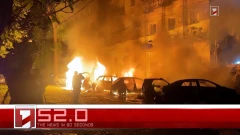
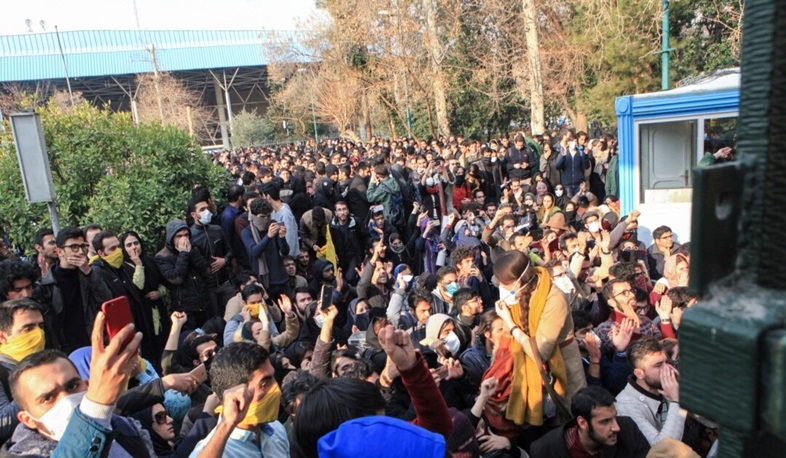
The death toll is rising as a result of clashes during mass anti-government protests in Iran.
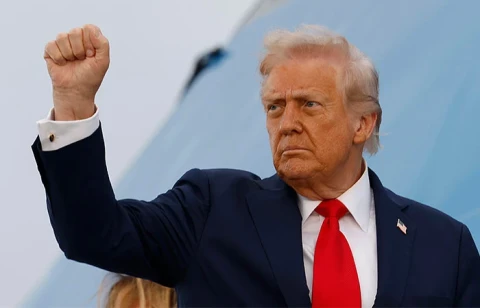
Just a few days ago, US President Donald Trump stated that the United States would intervene if the authorities began to brutally suppress the protests.
Against the backdrop of the demonstrations, the head of the Central Bank of Iran was replaced. Protest actions are taking place in 26 of the country’s 31 provinces. Iranian President Masoud Pezeshkian and several members of the government have stated that the protesters’ demands are acceptable, announcing plans to introduce new economic measures. The Speaker of Iran’s Majles, in turn, said the Parliament is ready to meet the protesters’ legitimate demands. Iranian media have reported incidents of unrest and attacks by protesters on law enforcement officers, although the gatherings have largely remained peaceful. In some cities, anti-government slogans were also heard.
According to human rights organizations, at least 20 people have been killed and about 1,000 arrested during the protests. Reports indicate that the scale of the demonstrations has significantly decreased; however, actions are still continuing in some locations.
Mass protests in Iran began in late December. Public dissatisfaction is driven by high inflation and the devaluation of the national currency, which, among other factors, is linked to external sanctions.