Reuters. A convoy of cars including some bearing diplomatic plates used by the United States left the area around the residence of the Omani ambassador to the United Nations in Geneva on Tuesday (February 17) as Washington and Tehran held indirect talks on their nuclear dispute.
Journalists had been waiting near the ambassadors residence in Cologny, a town on Lake Leman bordering Geneva, where cars with Iranian plates could be seen parked nearby.
Just a few hours after the negotiations began, Iran's semi-official Fars news agency reported that parts of the strategic Strait of Hormuz will close for a few hours due to "security precautions" while Iran's elite Revolutionary Guards conduct military drills in the world's most vital oil export route.
Tehran has in the past threatened to shut down the strait to commercial shipping if it is attacked, a move that would choke off a fifth of global oil flows and drive up crude prices.
The U.S., which joined Israel in bombing Iran's nuclear facilities in June, has deployed a battle force to the region and U.S. President Donald Trump has said "regime change" in Iran may be the best thing that can happen.
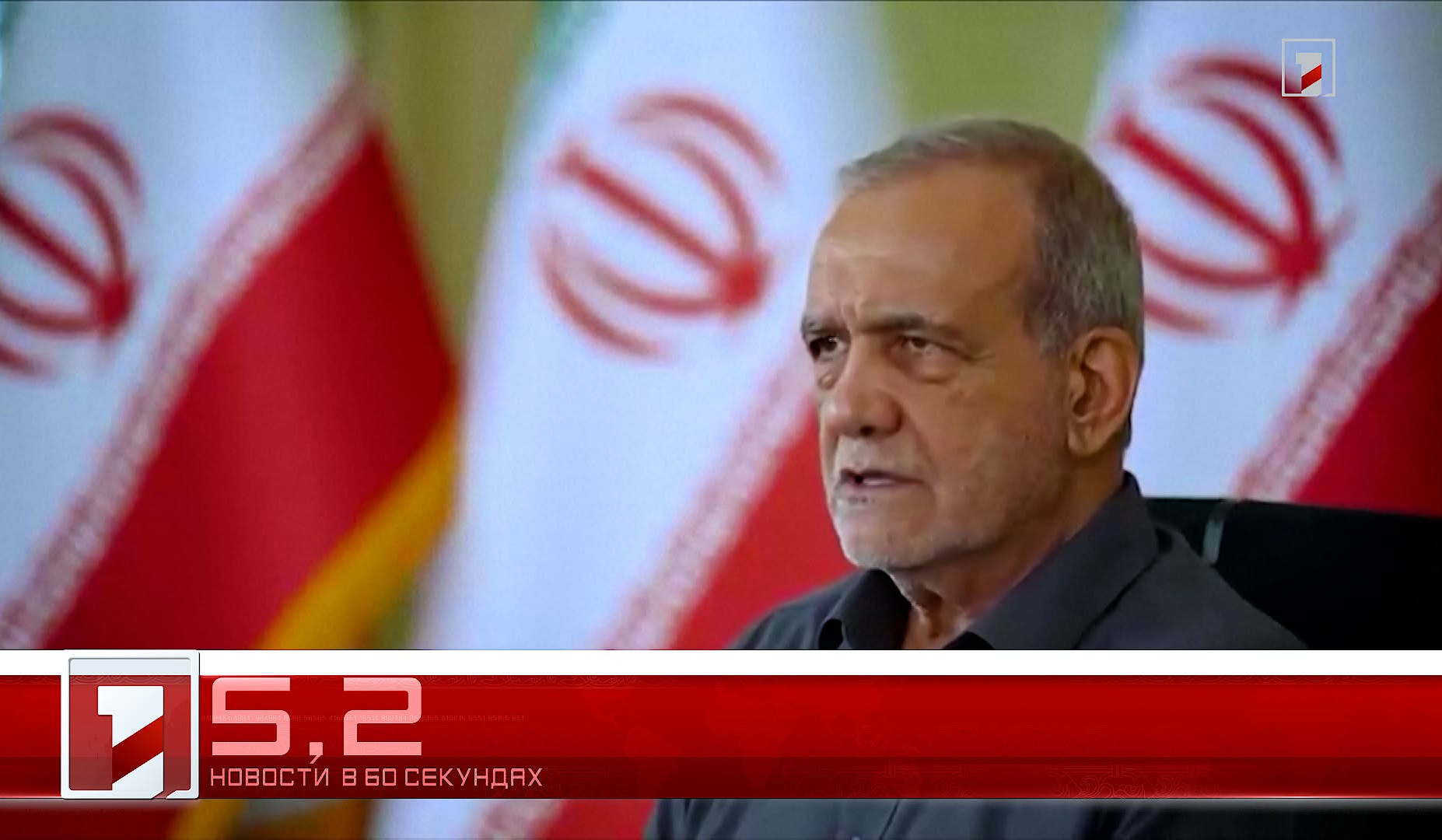
Iran's Foreign Ministry Spokesperson Esmaeil Baghaei said on Tuesday (February 17) that Tehran's views on the nuclear issue, the lifting of sanctions and a framework for any understanding have been conveyed to the U.S. side amid indirect talks in Geneva.
A senior Iranian official told Reuters on Tuesday the success of the Geneva talks hinged on the U.S. not making unrealistic demands and on its seriousness on lifting crippling economic sanctions on Iran.
Washington and its close ally Israel believe Iran aspires to build a nuclear weapon that could threaten Israel's existence. Iran says its nuclear program is purely peaceful, even though it has enriched uranium far beyond the purity needed for power generation, and close to what is required for a bomb.