Russia’s top diplomat visited Yerevan this week. Sergey Lavrov reaffirmed the Kremlin’s readiness to play a mediating role, stressing the need to return captives and unblock economic communications.
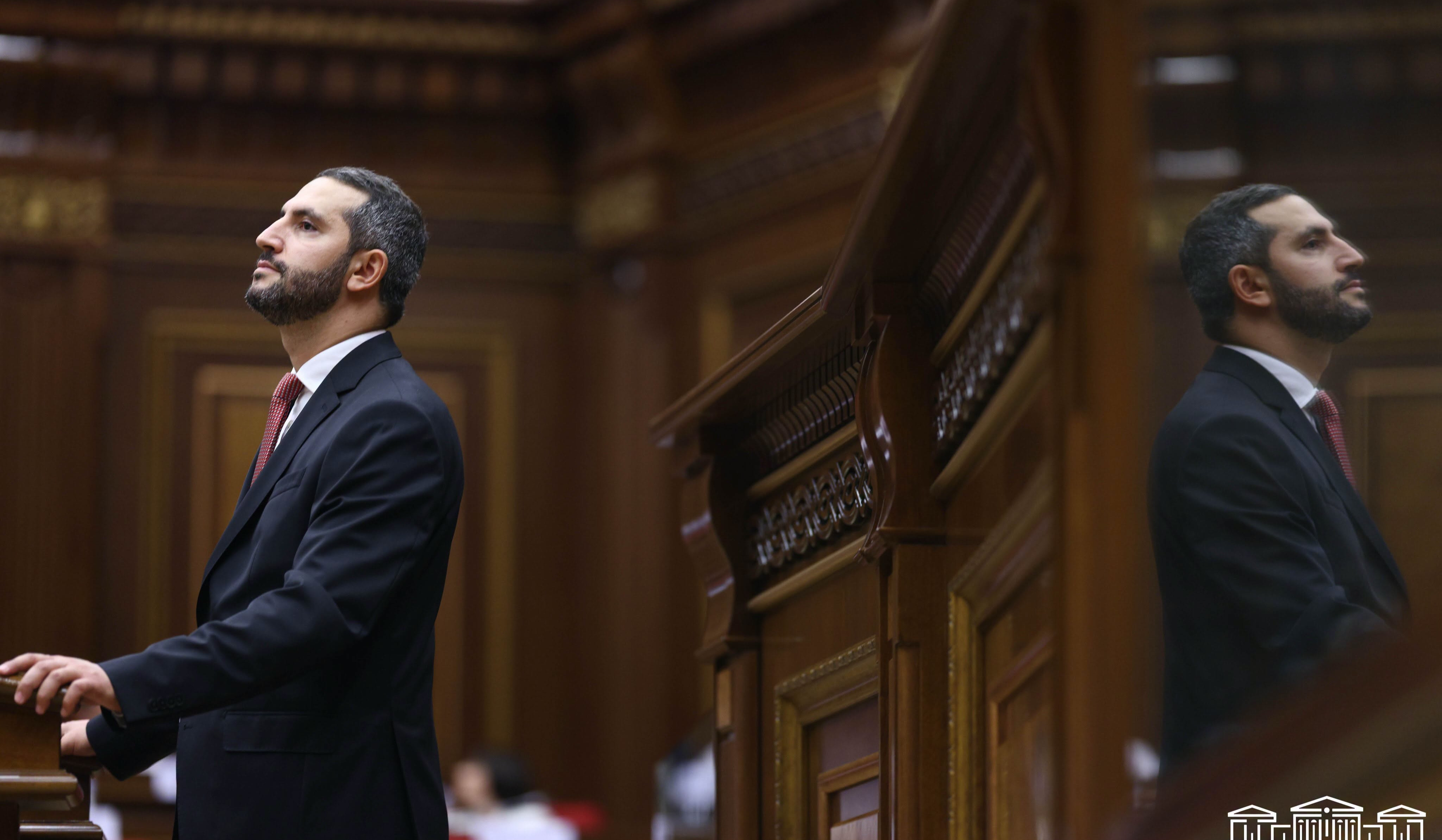
The Armenian Acting Foreign Minister emphasized that the settlement should be based on the determination of the status of Artsakh (Nagorno-Karabakh) within the borders where the people of Artsakh have self-determined.
The visit of the Minister of Foreign Affairs of the Russian Federation to Armenia, of course, was remarkable, and there were two reasons for that. First, the visit was not planned; it was of a working nature, and from that point of view, Lavrov’s visit to Tsitsernakaberd was significant, which in case of working visits is not included in the protocols. It is natural, however, that almost all the attention was focused on the Artsakh issue, because, despite the assurances of further deepening of the Armenia-Russia bilateral relations, the plans to start the production of ‘Sputnik V’ vaccine in Armenia within the framework of the fight against the pandemic, both in Yerevan and Moscow are concerned about the developments around Artsakh. The focus of Moscow's concerns is the events taking place around Artsakh.
Moreover, if Russia, being the mediator and guarantor of the established ceasefire, at least at the moment believes that it is necessary to unblock the economic links, leaving the political problems to the future, then the official Yerevan continues to insist that the peace process will be endangered without settling the problem.
“It is possible to reach a comprehensive political settlement exclusively through peaceful negotiations, which will take into account the rights of all, will bring peace and stability to the South Caucasus. And the basis for such a settlement must first of all be the determination of the status of Artsakh within the borders where the people of Artsakh have self-determined. The principles of the settlement have been developed by the OSCE Minsk Group Co-Chairs, and we are interested in further strengthening and intensifying the activities of that format, endowed with a mediation mandate by the international community. The Armenian side shares the common position of the Minsk Group Co-Chairs, which was presented in the April 13 statement. It says, “special attention should be paid to the achievement of a final, comprehensive, lasting settlement based on the principles of the elements known to the parties,”” says Ara Aivazian, Acting Minister of Foreign Affairs of the Republic of Armenia.
Acting Prime Minister of Armenia Nikol Pashinyan also mentioned about the elements and principles known to the parties, of course, in terms of violation of those elements and principles. Azerbaijan refuses to return the captives, Baku continues to slander, already threatens the territorial integrity of Armenia, and this, of course, cannot lead to the formation of even a minimal degree of trust between the parties.
“Baku’s actions aimed at manipulating the clause of return of prisoners of war, fomenting Armenophobia, setting forth territorial claims to Armenia, destroying the cultural and religious heritage of the Armenian people, which tend to escalate the regional situation and break the tripartite agreements,” said Nikol Pashinyan, Acting Prime Minister of the Republic of Armenia.
At least according to the Russian side, there will be no failure of the agreements. In any case, both during the meeting with Pashinyan and during the joint press conference with Aivazian, Lavrov stressed that the peacekeeping mission will undoubtedly continue, and in the near future, an attempt will be made to finally resolve the issue of the return of the captives held in Azerbaijan. Nevertheless, it should be emphasized that in response to the question on Ilham Aliye’s statement on obtaining a possible transport route through Syunik, Lavrov made a rather unexpected statement. If the same Aliyev declares, rightly or wrongly, that the operation of the transport route through Meghri stems from trilateral agreements, and Armenia is obliged to ensure the connection between Azerbaijan and Nakhichevan, then the Russian Foreign Minister approached the issue from a slightly different point of view - there is no obligation and there was not any.
“The implementation of the statements made by the leaders of Armenia, Russia and Azerbaijan can be exclusively voluntary, with the diplomatic consent. Any statement that contradicts it cannot be perceived as an alternative,” said Sergey Lavrov, Russian Foreign Minister.
As for the negotiation process itself, and the only structure with a mediation mandate in it, the OSCE Minsk Group, the latter’s activity will probably be significantly intensified in the near future. In any case, Sergey Lavrov assured in Yerevan that the mediators would soon focus on the solution of humanitarian issues, with the expectation that after exhausting that agenda, there will be an opportunity to discuss more complicated issues.