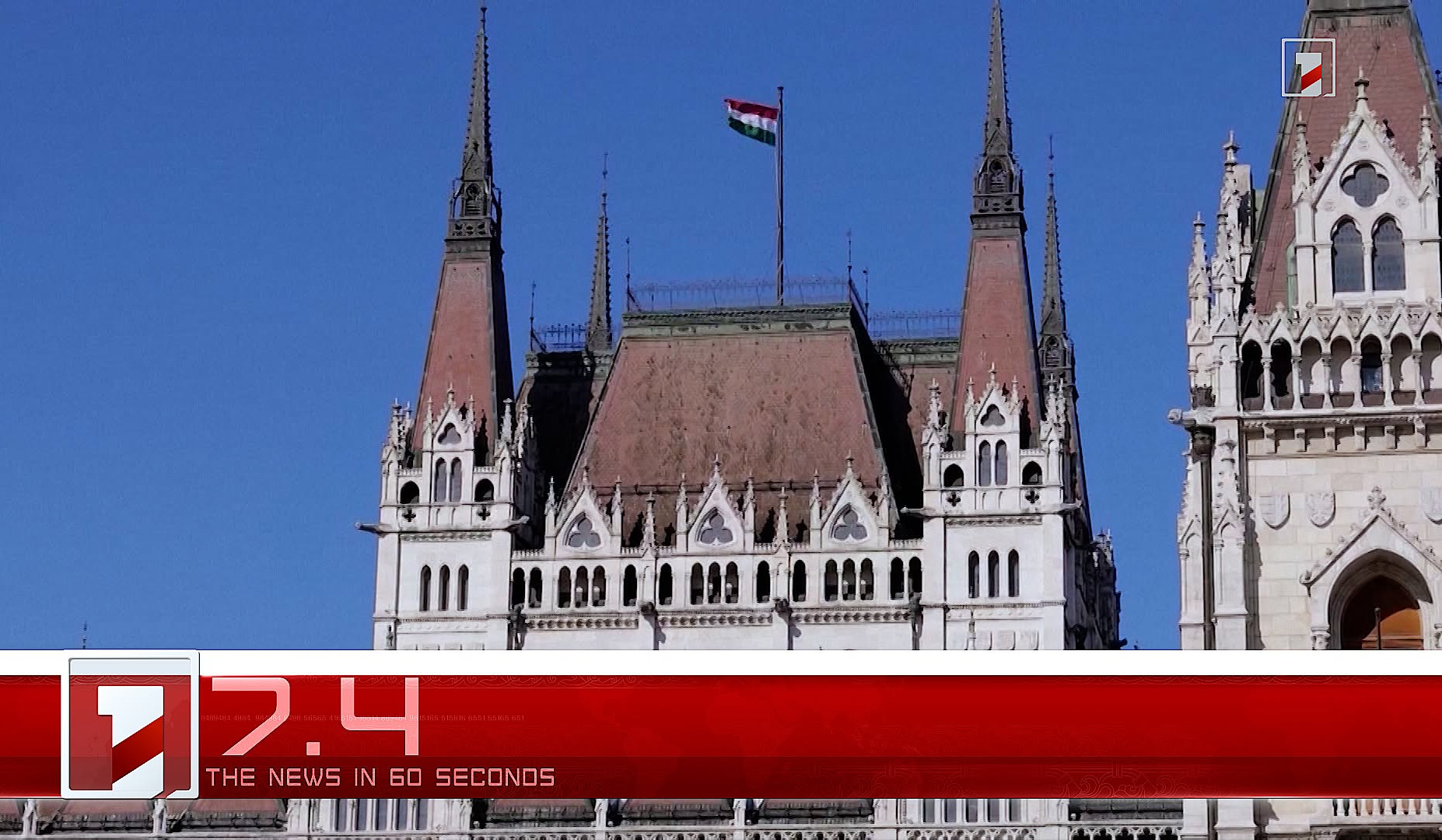
On April 24, the session of the German Bundestag kicked off with discussion of the Armenian Genocide Resolution.
On April 24, the session of the German Bundestag kicked off with discussion of the Armenian Genocide Resolution. President of the Bundestag Norbert Lammert delivered an opening speech. While describing what happened he used the term “genocide”.
“Genocide is a crime defined under international law as acts committed with the intent to ‘destroy in whole or in part, a national, ethnical, racial, or religious group, as such’. What happened in the midst of the First World War in the Ottoman Empire, before the eyes of the world, was a genocide. It was not to be the last of the 20th century. This makes our obligation all the greater, out of respect for the victims and due to the responsibility we bear for the causes and effects, to neither suppress the memory of, nor play down, these crimes,” stated Norbert Lammert.
Due to our own experiences, we can encourage others to face their history, even when it is painful: self-critical commitment to the truth is essential for reconciliation. This involves admitting the shared responsibility of the German Reich for the crimes committed a century ago.
Although the leaders of the Reich were fully informed, they did not exert their influence; the military alliance with the Ottoman Empire was more important to them than intervening to save people’s lives.
The unparalleled experiences of violence in the 20th century have ensured that we know there can be no real peace until the victims, their relatives and descendants experience justice: through remembrance of the events.
The current Turkish government is not responsible for what happened over 100 years ago, but it is responsible for what happens next,” stressed the President of the German Bundestag.
More in the video