



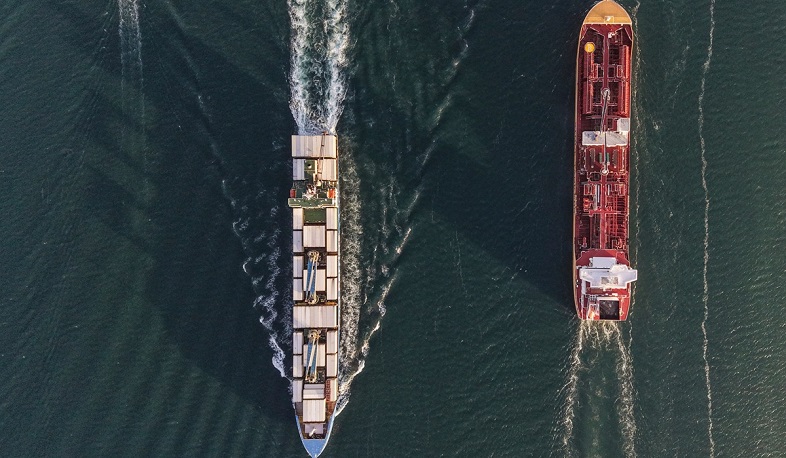
The fallout from the closure of the Strait of Hormuz is now hitting alternative shipping routes. Iran-backed Houthi rebels have blockaded the Red Sea and launched an attack that produced the conflict's first fatalities, while tolls on the Panama Canal have surged roughly 16-fold over the past year.
The Houthis attacked a ship at the Bab el-Mandeb Strait, the entrance to the Red Sea, on the 11th, Reuters reported, citing local time. Yemen's transport ministry said the rebels fired three ballistic missiles at the Tihama, a small Egyptian-owned cargo vessel passing through the strait.
Yemen's coast guard said the attack killed three Pakistani crew members, one Indonesian crew member and two soldiers from the government-aligned National Resistance forces, and wounded 10 others. The deaths were the first casualties from a Houthi ship attack since the war with Iran began. The Houthis declared on the 20th of last month that they would impose a naval blockade in the Red Sea in retaliation for what they called Saudi Arabia's siege and blockade of Yemen.
As the prolonged closure of the Strait of Hormuz — through which about 20% of the world's seaborne crude oil trade passes — raised demand for alternative routes, the Panama Canal emerged as a substitute, only for the Houthis to also block the Red Sea. This month, the daily auction price for priority passage through the Panama Canal reached $1.1 million (about 1.55 billion won), 16 times higher than the same period last year, the Financial Times reported. The auction price for priority passage through the larger locks used by mega vessels soared to as much as $2.5 million (about 3.53 billion won), a record high.
Ships that buy standard passage rights through advance booking pass in sequence, but those securing priority passage through the daily auction can transit immediately without waiting their turn. The Panama Canal allocates 30% of all passage rights to this auction. With the Strait of Hormuz closed, Asian buyers increased purchases of crude oil and petroleum products from the U.S. Gulf Coast, driving up both demand for and the price of Panama Canal transits.
The Panama Canal is a key route for Korea's exports to the United States and its imports of crude oil and liquefied natural gas (LNG). According to a report by the Korea Maritime Institute (KMI), container exports through the Panama Canal accounted for 10.9% of the total as of last year.
"If passage through the Panama Canal is also restricted, it will inevitably affect the routes and costs of Korea's import and export cargo," the KMI said. "If water levels continue to fall, each one-foot (about 0.304 meters) drop in the draft limit — the depth to which a ship sits below the waterline — would reduce container ships' cargo capacity, cutting revenue by $3.79 million (about 5 billion won)."