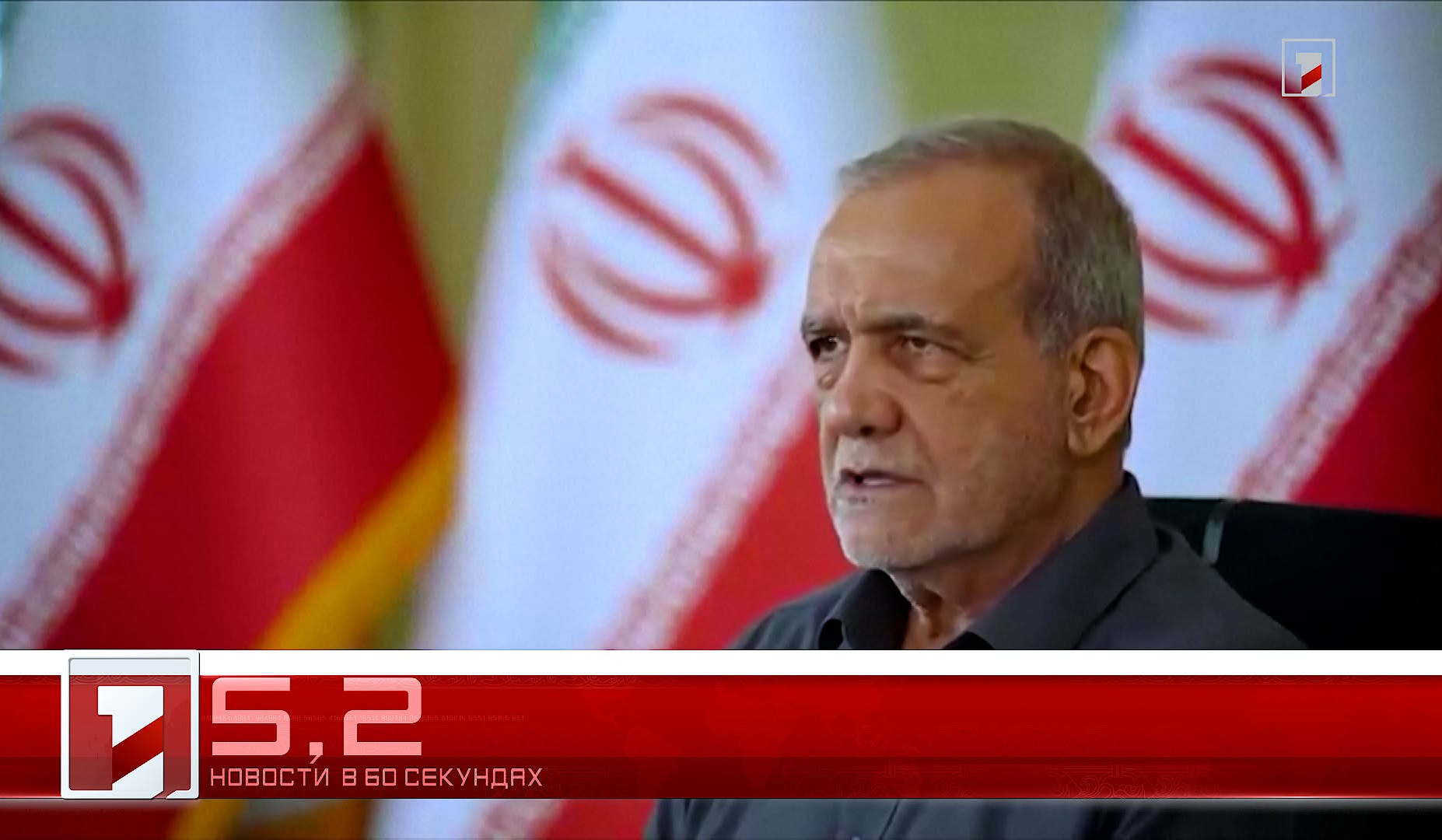
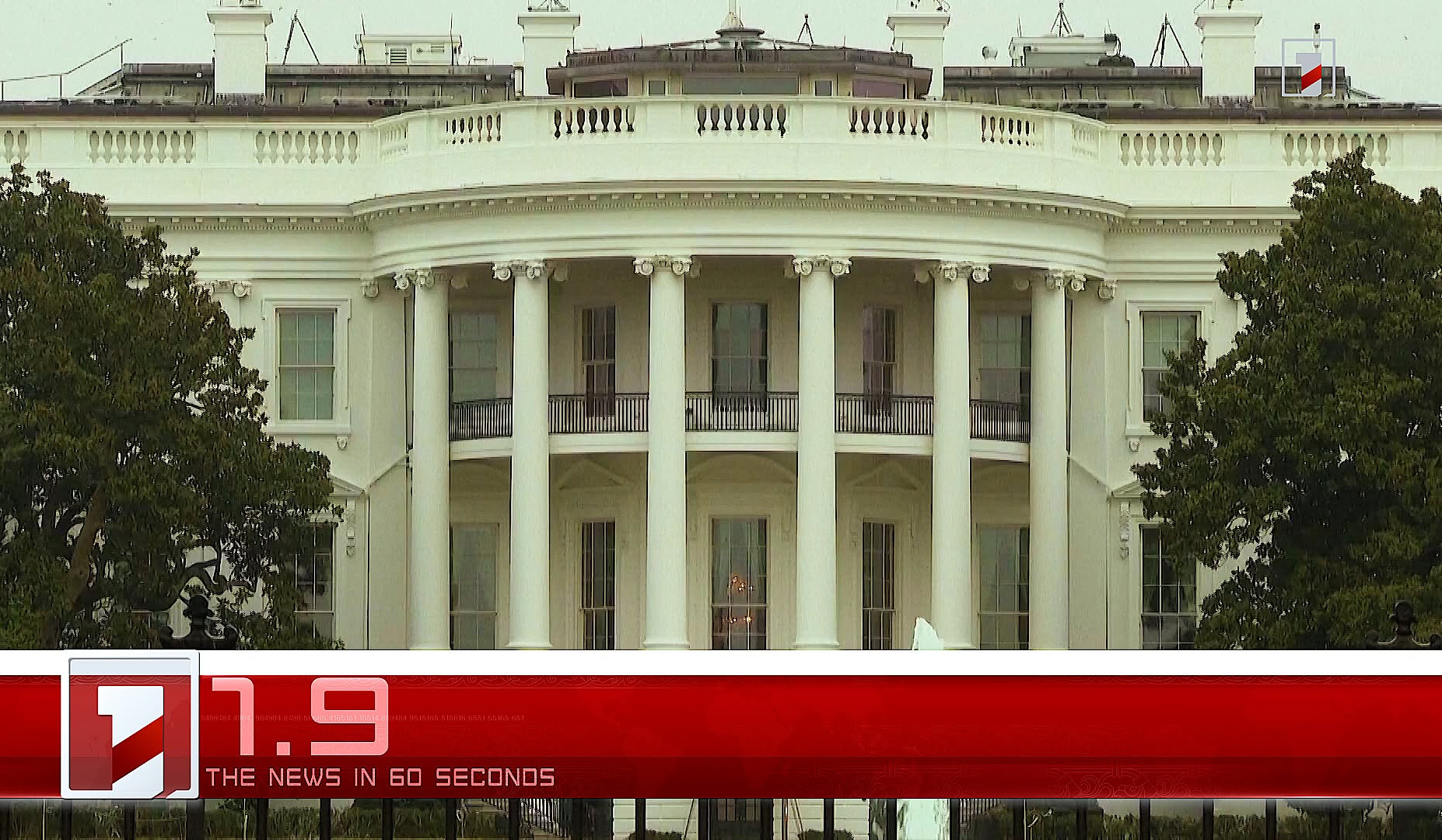
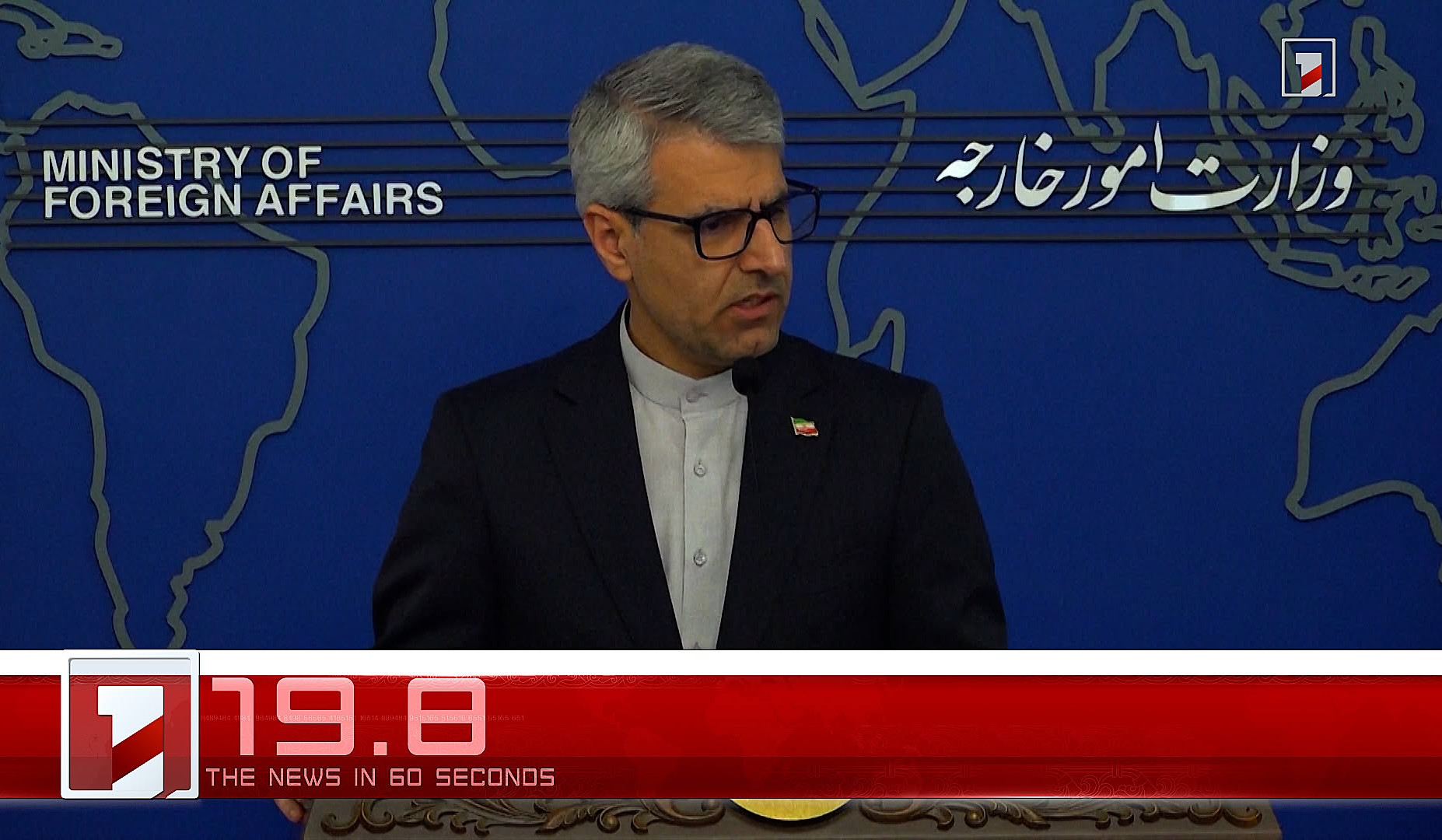
The United States Senate has passed a resolution calling for President Donald Trump to either halt his military campaign against Iran or seek congressional approval before any further action is taken, Al Jazeera reports.
On Tuesday, the chamber voted 50 to 48 to pass the resolution, which had been approved in the House of Representatives earlier in the month.
Republicans hold a majority in the Senate, but four conservatives crossed party lines to approve the resolution, along with nearly all the chamber’s Democrats, save one.
Tuesday’s vote marked the first time a war powers resolution had successfully passed both chambers of Congress. But the effort is largely symbolic and is not expected to become law.
Tuesday’s breakaway Republicans included Bill Cassidy of Louisiana, Lisa Murkowski of Alaska, Susan Collins of Maine and Rand Paul of Kentucky. A further two Republicans did not vote: Mitch McConnell of Kentucky and Dave McCormick of Pennsylvania.
The lone Democrat to side with Republicans on the matter was Pennsylvania’s John Fetterman.
Speaking on the chamber floor, top Democrat Chuck Schumer noted that Tuesday’s vote marked the 10th time the Senate had taken up a war powers resolution to rein in Trump’s military campaign against Iran.
“For years, Trump promised to put maximum pressure on Iran, but he ended up delivering maximum confusion, maximum chaos, maximum cost to the American people with his disastrous war,” Schumer said.
“ Time after time, the vast majority of Senate Republicans sided with Trump and his war, instead of the American people. The American people have paid the price for Trump’s historic blunder in Iran. It’ll go down in the history books as one of the worst foreign policy forays America has ever made.”
It was also the second time since returning to office for a second term that Trump involved US military forces in a war against Iran. In June 2025, Trump had also sent bombers to attack three key sites associated with Iran’s nuclear enrichment programme, as part of the so-called Twelve-Day War.
Trump has said the latest conflict was necessary to prevent Iran from developing a nuclear weapon, an ambition it has long denied.
But critics have characterised the February strikes as an unprovoked act of aggression that has threatened to further destabilise the Middle East.
Negotiations are currently under way in Switzerland, as the Trump administration and Iran continue to discuss the terms of a ceasefire set out in a June 17 memorandum of understanding (MoU).
But whether that memorandum will hold remains unclear. Israel, the US’s partner in the war against Iran, has continued to carry out strikes in Lebanon, violating the terms of the agreement, which called for a halt to fighting on all fronts.