Iran and the United States held hours of indirect negotiations Thursday over Tehran’s nuclear program but walked away without a deal, leaving the danger of another Mideast war on the table as the U.S. has gathered a massive fleet of aircraft and warships in the region, AP reports.
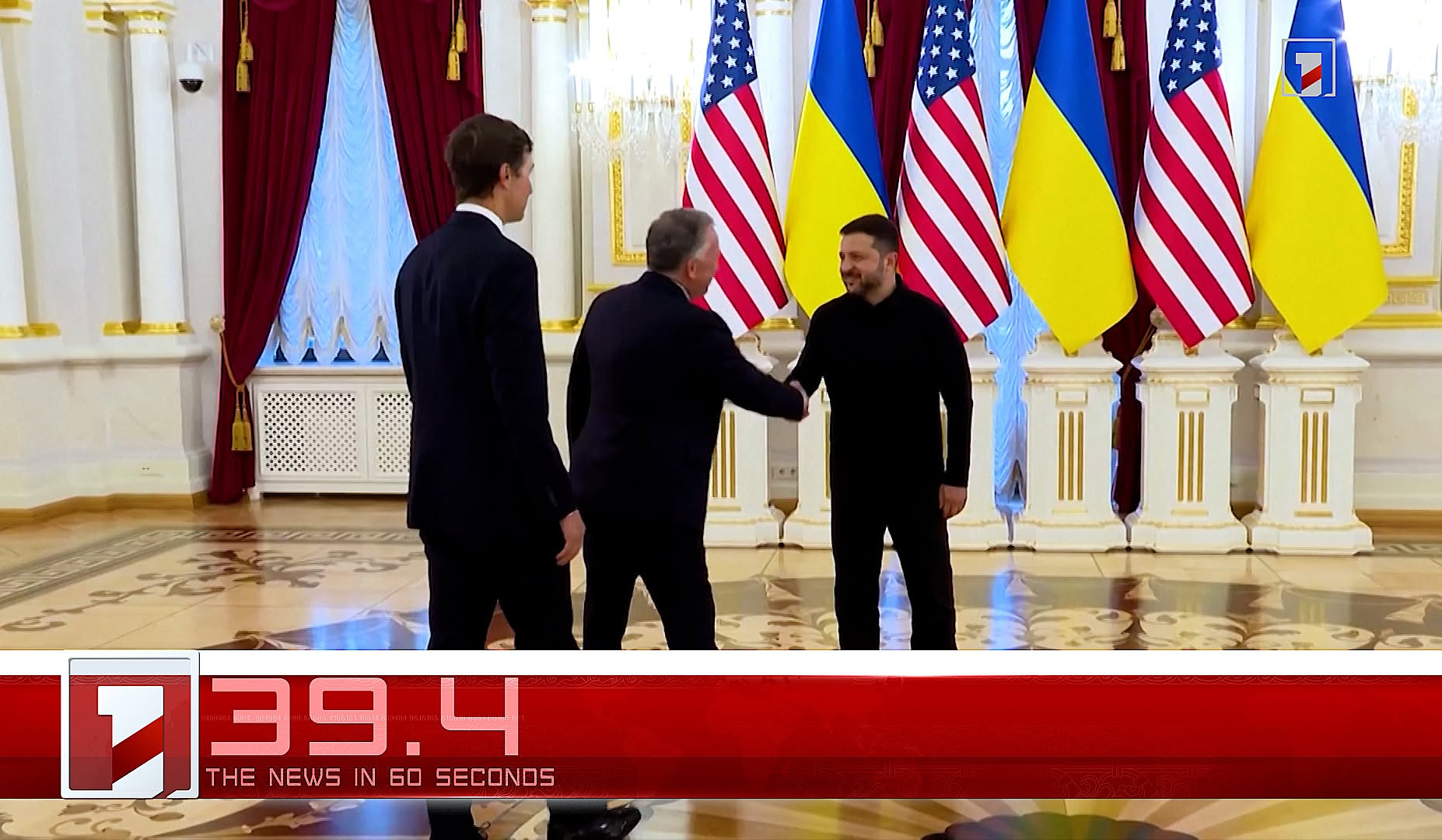
Oman's Minister of Foreign Affairs Sayyid Badr bin Hamad Al Busaidi, right, holds a meeting with White House special envoy Steve Witkoff, center, and Jared Kushner, as part of the ongoing Iranian-American negotiations, in Geneva, Thursday Feb. 26, 2026.(Foreign Ministry of Oman via AP)
Oman’s Foreign Minister Badr al-Busaidi, who mediated the talks in Geneva, said there had been “significant progress in the negotiation” without elaborating.
But just before the talks ended, Iranian state television reported that Tehran was determined to continue enriching uranium, rejected proposals to transfer it abroad and sought the lifting of international sanctions, indicating it was not prepared to meet U.S. President Donald Trump’s demands.
Trump wants a deal to constrain Iran’s nuclear program, and he sees an opportunity while the country is struggling at home with growing dissent following nationwide protests. Iran also hopes to avert war, but maintains it has the right to enrich uranium and does not want to discuss other issues, like its long-range missile program or support for armed groups like Hamas and Hezbollah.
Al-Busaidi said technical talks involving lower-level representatives would continue next week in Vienna, the home of the International Atomic Energy Agency. The United Nations’ atomic watchdog likely would be critical in any deal.
In an interview with Iranian state television, Iran’s foreign minister said the talks with the U.S. were some of the country’s “most intense and longest rounds of negotiations.”
Abbas Araghchi offered no specifics but said “what needs to happen has been clearly spelled out from our side.”
The White House did not immediately respond to a request for comment.